Poulet à l'estragon, or tarragon chicken, is a classic French dish. I remember the first time I ever tried it. In 1972, I was teaching English in a lycée (secondary school) in Rouen, a big city in Normandy. A French couple I had met through American friends who were also working in Rouen that year invited several of us over for dinner — they were getting ready to go live and work in New York for a few years and wanted to get to know us and practice their English. They served us poulet à l'estragon, which I had never even heard of before. It was delicious, and obviously memorable.
Above is a slideshow that I think is fairly self-explanatory. You start the recipe by cutting up a whole chicken so that you have eight pieces — two each of the drumsticks, the thighs, the breast filets, and the wings (with a portion of the breast meat attached). You can of course use chicken pieces and chicken broth from the supermarket and save yourself some prep work. I can give you a more detailed recipe if you want one, but maybe the summary below will be sufficient.
Brown the chicken pieces lightly in butter and/or oil and take them out and reserve them. Separately, sauté some mushrooms. Then sauté some diced shallot or onion in the fat the chicken cooked in. Put the chicken and onion together in a pot and pour chicken broth and an equal quantity of white wine over all to barely cover. Cook on medium heat for 20 to 30 minutes. Then add a good amount of cream, the sautéed mushrooms, and some fresh or dried tarragon. Don't forget the salt and pepper. Let it cook for another 10 or 15 minutes. If the sauce is too liquid, take the chicken and mushrooms out and boil the liquid down to thicken the cream. Serve the chicken with rice, potatoes, or pasta and the sauce. Garnish with some fresh tarragon leaves if you have any. Enjoy.

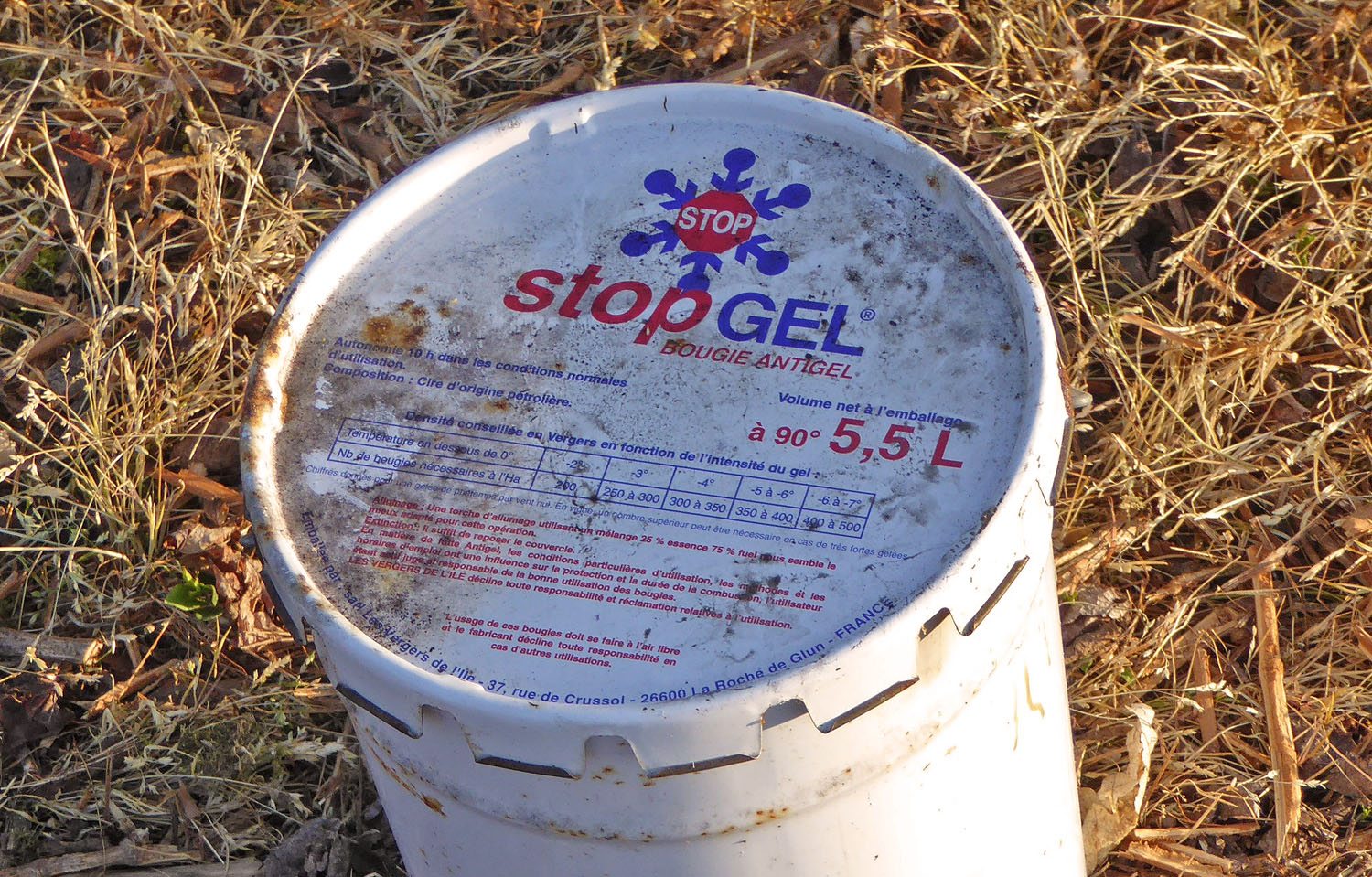
P.S. It's about one degree C (two ºF) colder this morning than yesterday at this time. The Renaudie vineyard people have their smudge pots burning. Our thermometer is mounted on an exterior wall of the house, so it reads a little high. Even though the smudge pots are only, say, 100 yards from the house, it's probably significantly colder out there.
Brown the chicken pieces lightly in butter and/or oil and take them out and reserve them. Separately, sauté some mushrooms. Then sauté some diced shallot or onion in the fat the chicken cooked in. Put the chicken and onion together in a pot and pour chicken broth and an equal quantity of white wine over all to barely cover. Cook on medium heat for 20 to 30 minutes. Then add a good amount of cream, the sautéed mushrooms, and some fresh or dried tarragon. Don't forget the salt and pepper. Let it cook for another 10 or 15 minutes. If the sauce is too liquid, take the chicken and mushrooms out and boil the liquid down to thicken the cream. Serve the chicken with rice, potatoes, or pasta and the sauce. Garnish with some fresh tarragon leaves if you have any. Enjoy.

Here's one more photo of the cowslips (coucous). Enlarge it and pan across it to see detail.
P.S. It's about one degree C (two ºF) colder this morning than yesterday at this time. The Renaudie vineyard people have their smudge pots burning. Our thermometer is mounted on an exterior wall of the house, so it reads a little high. Even though the smudge pots are only, say, 100 yards from the house, it's probably significantly colder out there.