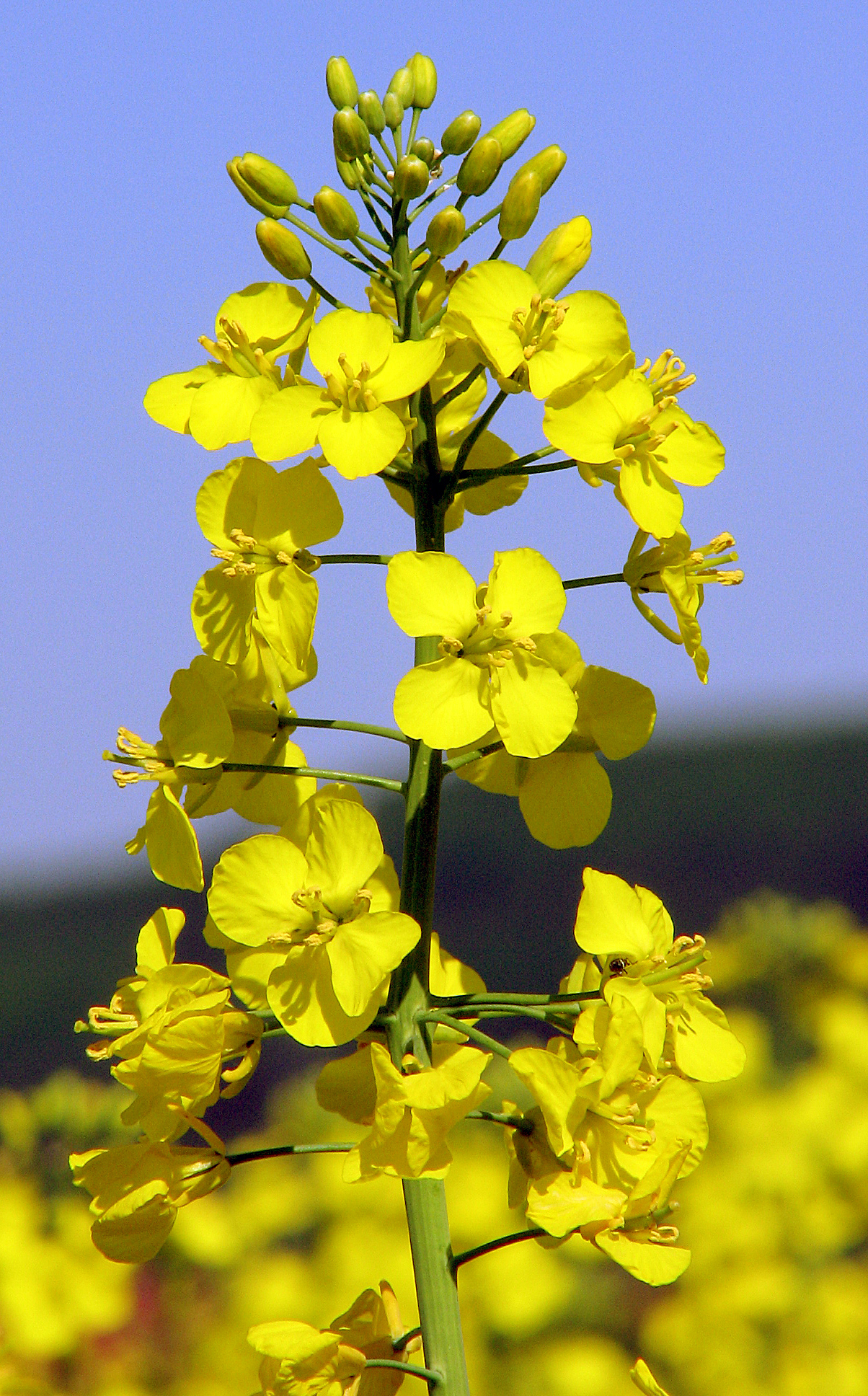
You might recognize these yellow flowers, or you might not. You don't usually see them in cut form, in a vase.
You might think "mustard" if you are from California. Or "canola" if you are from Canada — "colza" in France. Or "rape" (photo of flower) — a.k.a. "oilseed rape" (Wiki article). But it's none of those.
In Touraine in April, there are wide fields of similar yellow flowers all around the countryside. In fact, mustard, rape, and the plant in question are all members of the cabbage family.
These flowers (and leaves) grew in our vegetable garden. They survived the winter. I pulled the plants out yesterday and spent the day trimming, cleaning, and cooking the leaves.
After you've looked at the other two pictures in this post, you might have a better idea. And knowing my Southern background will help...
29 April 2010
28 April 2010
Bertie's a climber
It's a quiet week. Bertie the cat has settled into a routine. Callie the dog is acting like she's missing something, or being deprived of something. I think the dog knows that there's a cat living in the garage, and the cat certainly knows that there's a dog living in the house.
That's as far as we've gotten in the area of canine-feline relations. Meanwhile, our work crew took a week off to go do a job in the Paris region, so it's quiet here.
A couple of evenings ago, I came back from a long walk with the dog. I told Walt I would be out for a while, so he had time to bring the cat up into the house for nice long visit.
When I got home, I left Callie downstairs while I went upstairs to see what the situation was. Walt was snoozing in a chair out on the front terrace. "Where's the cat?" I asked him. "Out here on the deck," he said. I looked around, but there was no sign of Bertie.
We proceeded to search all over the house. No cat. Had he jumped off the deck? That's a pretty good drop, but cats are capable of such things, I think. I went back down to the garage to see if Bertie had jumped down and then gone in there through his open window. No sign of him in the garage either.
Callie was waiting patiently as I went back upstairs. Walt was searching high and low in every room in the house. I figured he'd find him in a minute or two, under the bed or in a closet, so I climbed the ladder up to the attic space to see how hot it had gotten up there on a sunny afternoon.
And you know who was up there, right? Bertie the black cat had climbed up the ladder. He was perched in the front window, enjoying a panoramic view of the neighborhood. Neither Walt nor I really believed that a cat would climb a steep ladder like that.
Yesterday, to see if he could do it again, I brought Bertie into the house. Then I climbed the ladder into the attic. Not two minutes later, I saw Bertie climb up too. No problem. Then this morning I brought Bertie into the house after he ate his breakfast and Walt took Callie out for her walk. The cat headed straight up the ladder.
He likes it up there in the attic. It's the one place where he is perfectly safe from the dog, I guess. That won't be the case when we get the staircase up it.
That's as far as we've gotten in the area of canine-feline relations. Meanwhile, our work crew took a week off to go do a job in the Paris region, so it's quiet here.
A couple of evenings ago, I came back from a long walk with the dog. I told Walt I would be out for a while, so he had time to bring the cat up into the house for nice long visit.
When I got home, I left Callie downstairs while I went upstairs to see what the situation was. Walt was snoozing in a chair out on the front terrace. "Where's the cat?" I asked him. "Out here on the deck," he said. I looked around, but there was no sign of Bertie.
We proceeded to search all over the house. No cat. Had he jumped off the deck? That's a pretty good drop, but cats are capable of such things, I think. I went back down to the garage to see if Bertie had jumped down and then gone in there through his open window. No sign of him in the garage either.
Callie was waiting patiently as I went back upstairs. Walt was searching high and low in every room in the house. I figured he'd find him in a minute or two, under the bed or in a closet, so I climbed the ladder up to the attic space to see how hot it had gotten up there on a sunny afternoon.
And you know who was up there, right? Bertie the black cat had climbed up the ladder. He was perched in the front window, enjoying a panoramic view of the neighborhood. Neither Walt nor I really believed that a cat would climb a steep ladder like that.
Yesterday, to see if he could do it again, I brought Bertie into the house. Then I climbed the ladder into the attic. Not two minutes later, I saw Bertie climb up too. No problem. Then this morning I brought Bertie into the house after he ate his breakfast and Walt took Callie out for her walk. The cat headed straight up the ladder.
He likes it up there in the attic. It's the one place where he is perfectly safe from the dog, I guess. That won't be the case when we get the staircase up it.
27 April 2010
Plum trees, and others
They grow all around us. In season, there are trees full of little red plums, big round yellow plums, or smaller dark purple ones. Some of the plums (called prunes in French) are very sweet. Others are tart. Some are really juicy. Some are better for cooking than for eating right off the tree.
Out walking the dog the other afternoon, I passed by the tree that blew over in our late-February storm and got propped up again. It's on a strip of land just to the north of our property, at the edge of a big parcel of grapevines. That's when I realized that growing under that tree and the one next to it were at least two dozen smaller plum trees. They surely came up from pits that landed on the ground when ripe fruit fell there.
These are big yellow plums that are sweet and juicy. They are delicious to eat just as they are when they are good and ripe, and they make good pies and jellies too. I'd love to have such a plum tree growing in our yard. Our own plum trees — the two that were uprooted in the storm a couple of months ago — produced medium-sized, greenish-purple plums that could also be sweet and juicy, but they would go over-ripe before you had time to pick them all. Wasps got more of them than we did. And some years they didn't bear at all.
So what would you do in my place? What I did was this: I went out a few mornings ago and dug up one of the small trees growing under the yellow-plum trees. It's actually two trees growing together. I hope they aren't the kind of trees that need to be grafted — I see no evidence that the parent trees were.
I planted the two little trees in a pot to see if they would survive and, if they did, to keep them until we could figure out where to plant them in our yard. At first the leaves drooped noticeably, and I thought my experiment might be a failure. But after 36 hours, the trees perked back up, and now they look perfectly healthy.
A prunus tree in our back yard is covered in pink blossoms
right now, but it's ornamental and doesn't bear fruit.
Looking around the yard for the ideal spot, I noticed that our fallen plum trees have also produced at least one baby tree. So when we cut our trees up for firewood this summer, we'll now have two new plum trees to plant in their place. One kind will produce yellow plums, and one purple.
And that is sans mentionner the little pruniers that I grew two years ago from the pits of tiny, tart red plums I picked up under a neighhbor's tree across the street. Those trees are doing very well where I planted them out back.
Two litttle trees that will produce loads of small, tart, red plums —
they had blossoms in March, so we may get fruit next month.
Why go buy trees when they are available all around? And when they are varieties that you know will grow strong and sturdy in the local soil, in this climate. Provided they don't need grafting to produce good fruit...
I also noticed that my favorite cherry tree, also out on the edge of the vineyard, has lots of little cherry trees coming up under it too. It produces sour cherries, good for pies and sauces. It's a rustic variety. Now I have to go dig one of those up, before somebody comes with a big mower or brush cutter and chops them all down.
By the way, two apricot pits that I planted in a pot back in November have come up now. I think they were pits from an abricotier that grows on the edge of the vineyard too. Or maybe they were from store-bought fruit that I found especially delicious. I planted both kinds. Other friends of ours have successfully grown productive apricot trees from pits.
Out walking the dog the other afternoon, I passed by the tree that blew over in our late-February storm and got propped up again. It's on a strip of land just to the north of our property, at the edge of a big parcel of grapevines. That's when I realized that growing under that tree and the one next to it were at least two dozen smaller plum trees. They surely came up from pits that landed on the ground when ripe fruit fell there.
These are big yellow plums that are sweet and juicy. They are delicious to eat just as they are when they are good and ripe, and they make good pies and jellies too. I'd love to have such a plum tree growing in our yard. Our own plum trees — the two that were uprooted in the storm a couple of months ago — produced medium-sized, greenish-purple plums that could also be sweet and juicy, but they would go over-ripe before you had time to pick them all. Wasps got more of them than we did. And some years they didn't bear at all.
So what would you do in my place? What I did was this: I went out a few mornings ago and dug up one of the small trees growing under the yellow-plum trees. It's actually two trees growing together. I hope they aren't the kind of trees that need to be grafted — I see no evidence that the parent trees were.
I planted the two little trees in a pot to see if they would survive and, if they did, to keep them until we could figure out where to plant them in our yard. At first the leaves drooped noticeably, and I thought my experiment might be a failure. But after 36 hours, the trees perked back up, and now they look perfectly healthy.
A prunus tree in our back yard is covered in pink blossomsright now, but it's ornamental and doesn't bear fruit.
Looking around the yard for the ideal spot, I noticed that our fallen plum trees have also produced at least one baby tree. So when we cut our trees up for firewood this summer, we'll now have two new plum trees to plant in their place. One kind will produce yellow plums, and one purple.
And that is sans mentionner the little pruniers that I grew two years ago from the pits of tiny, tart red plums I picked up under a neighhbor's tree across the street. Those trees are doing very well where I planted them out back.
Two litttle trees that will produce loads of small, tart, red plums —they had blossoms in March, so we may get fruit next month.
Why go buy trees when they are available all around? And when they are varieties that you know will grow strong and sturdy in the local soil, in this climate. Provided they don't need grafting to produce good fruit...
I also noticed that my favorite cherry tree, also out on the edge of the vineyard, has lots of little cherry trees coming up under it too. It produces sour cherries, good for pies and sauces. It's a rustic variety. Now I have to go dig one of those up, before somebody comes with a big mower or brush cutter and chops them all down.
By the way, two apricot pits that I planted in a pot back in November have come up now. I think they were pits from an abricotier that grows on the edge of the vineyard too. Or maybe they were from store-bought fruit that I found especially delicious. I planted both kinds. Other friends of ours have successfully grown productive apricot trees from pits.
26 April 2010
Summery weather
I read about tornadoes in Mississippi and even in North Carolina, and I'm grateful we don't have to worry about that kind of weather here. Yesterday, the weather forecaster on France 2 TV was downright giddy with joy, predicting a week of summery weather conditions in France.
For us, that means temperatures as "high" as 75º F this week! That's not what I immediately think of as summertime heat, given my North Carolina background, but in fact it does qualify for that description here in the Loire Valley. It's pleasant and I'll take it.
Subscribe to:
Posts (Atom)