16 August 2023

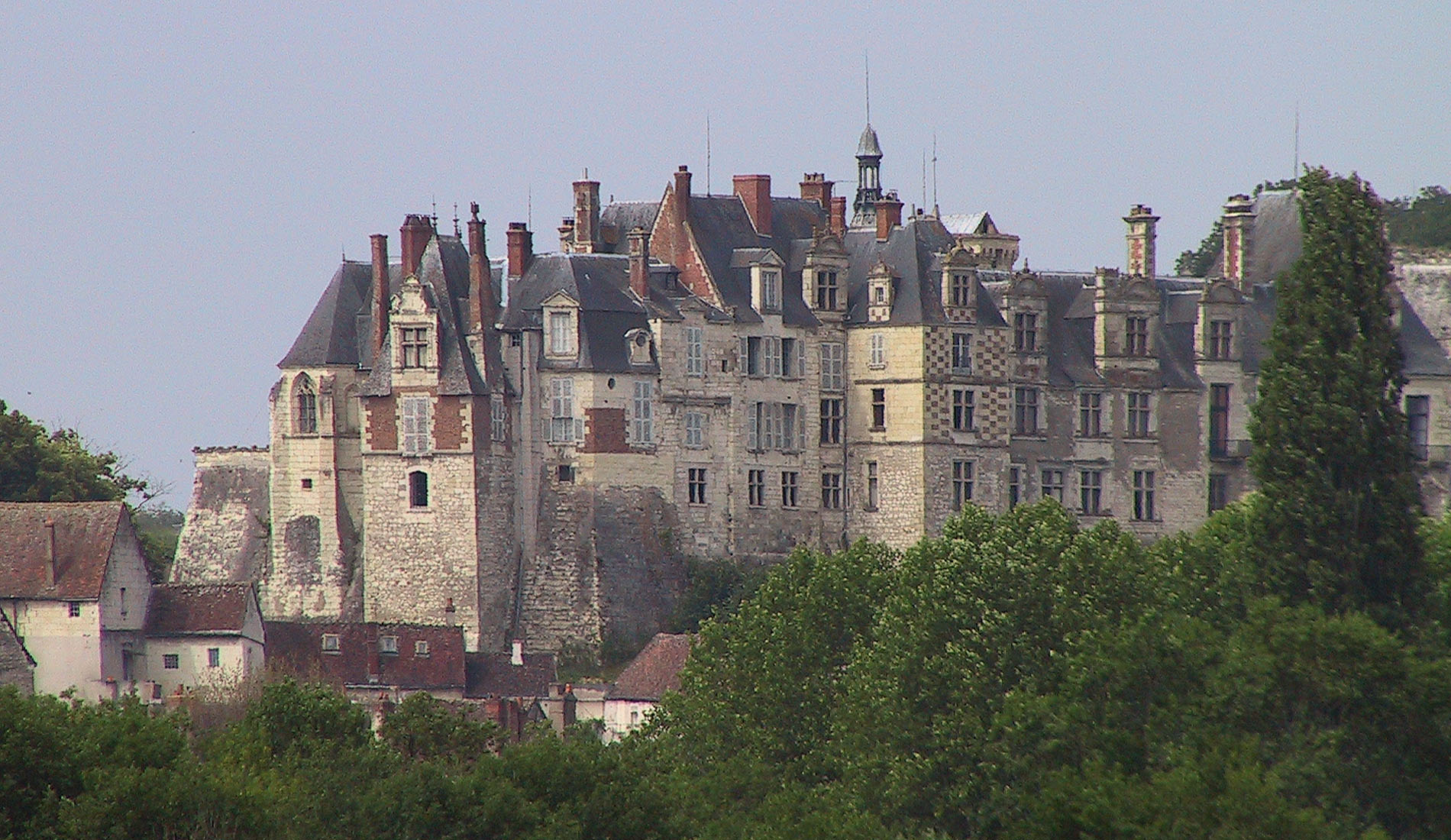
The north-facing façade of the château...

...de Saint-Aignan looks like this. It's the château as you see it when you cross the bridge over the Cher river, coming into town from Blois or, via the autoroute, from Orléans or Paris. The church is on the left in the photo below. The 10th century donjon (fortified tower) is visible on the right.


Below is a closer view of the château seen from the north. It doesn't look much like a château, except that it is built on a high promontory and soars over the river as well as over the town, which grew up around it. From this perspective, you can see that the buildings are built of a combination of stone and of brick.

And here's a photo of the church, which dates back to the 11th and 12th centuries. It's especially known for the centuries-old wall paintings down in the crypt. That's part of the château on the right, below.

15 August 2023

Terrasse bis

I mean the terrace at the château de Saint-Aignan, of course. Here is one more panorama (a stitch) and five detail shots. I took them in June 2006. The château is about a mile and a half from our house. It's built on a promontory so there are views over the town and the river. Only the terrace is open to the public. The château is privately owned and lived in. I hope it will be opened up to the public one day.


14 August 2023

Sur la terrasse du château...

...de Saint-Aignan. It's more than one building and it was built over the centuries starting in the year 1000 or so. The counts of Blois, a small city 25 miles north, built the first fortifications here, including the tower or donjon you see on the right in the first photo, known as la tour d'Agar or la tour Hagard. The second photo shows the 16th century Renaissance château built here by the Beauvilliers family, whose decendents still own it. The building was très restauré in the 19th century, according to the Monumentum web site. You can also see the château and the donjon in the photo that is my blog banner above.


13 August 2023

Oven-baked ratatouille

I've posted about this several times already. There's nothing new under the sun, especially if you're somebody who has been blogging for almost two decades. This oven-baked ratatouille is a summertime specialty. The first photo here shows how it's put together. Rounds of fresh eggplant, zucchini, and tomatoes are packed into a baking dish. Optionally, add some red and green bell pepper strips. I had some, so I added them.

What you can't see is what's under the vegetables. Dice up an onion, and maybe a shallot or two, as well as three or four cloves of garlic. Sauté those lightly in olive oil and put those in the bottom of the dish along with two or three bay leaves. Then layer on the vegetables. Before putting the dish in the oven, drizzle olive oil generously all over the vegetables. Pour into the dish half a cup or so of water and season everything with salt, pepper, and dried thyme or other herbs. Preheat the oven.

Put the dish in the oven, uncovered. Let it bake between 160 and 180 degrees C (325 and 350 degrees F) — it all depends on your oven. Keep an eye on the dish, adjusting the temperature and adding more water as needed so that the eggplant, zucchini, tomatoes, and peppers steam and bake at the same time. Don't stir it. When the vegetables start browning, collapsing, and softening — test them using a skewer, fork, or paring knife — it's up to you to decide when they are cooked enough. It will take an hour or even 90 minutes. Serve this gratin de ratatouille hot, warm, or cold, as you like it.